
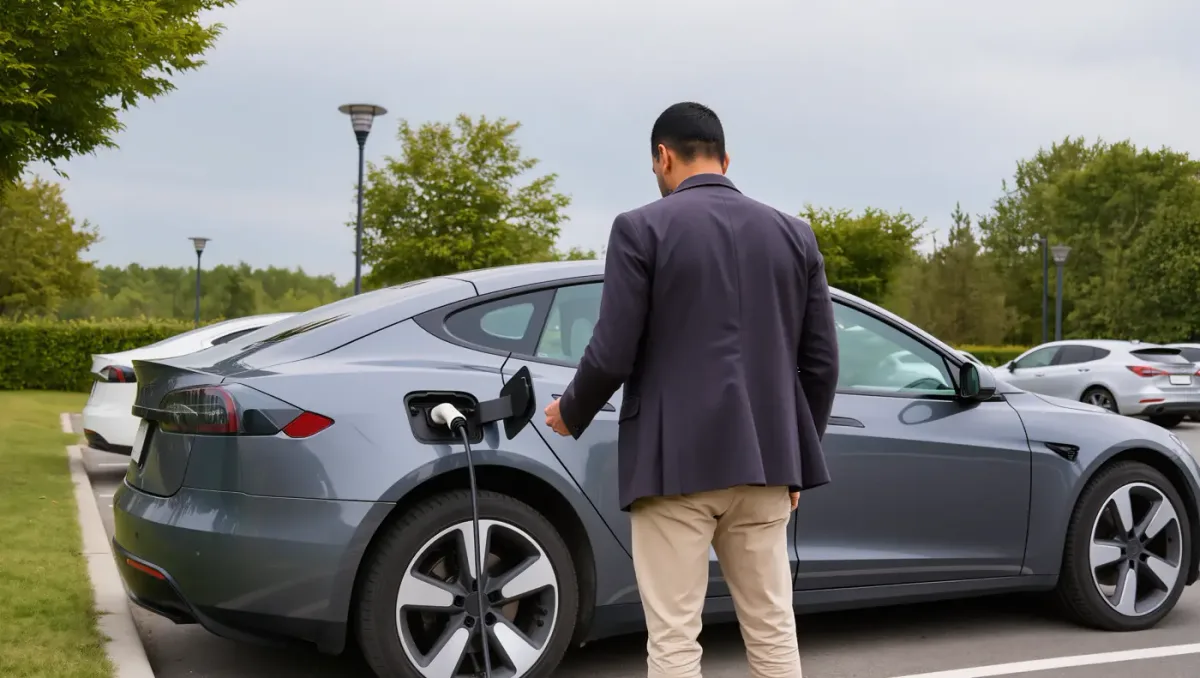
New York is spending more state money on the unglamorous half of electric vehicle ownership: the plug. NYSERDA added $15 million to its Charge Ready NY 2.0 program in February 2026, bringing the program's budget to $28 million, with incentives of roughly $3,000 per port for Level 2 chargers at workplaces, multifamily buildings, public parking sites and other public or private locations, per NYSERDA.
A second lever followed in Earth Week. On April 21, 2026, the state announced an additional $30 million for the Drive Clean Rebate, which returns up to $2,000 to consumers who buy or lease a new electric vehicle, as part of the Charge NY initiative, per NYSERDA. Together, the two programs pay at both ends of the transaction: the car and the place to charge it.
For Rockland County, the charger incentive is the one to watch. Suburban charging demand is concentrated at workplaces, apartment complexes and municipal lots rather than single-family garages, which is exactly the site profile Charge Ready NY 2.0 pays for. Parking operators and employers in Nanuet, West Nyack and along the Route 59 corridor can apply the per-port incentive against installation costs that often stall projects.
Municipalities have a stake as well. Town lots in Nyack and Suffern, park-and-ride sites and library parking areas are candidates for the incentive, and charger visibility tends to precede adoption: drivers who see working plugs near downtown parking are more willing to consider an EV for their next car. The state separately funds fast chargers along travel corridors through its federal NEVI allocation, per NYSERDA.
Related stories: New York regulators' O&R rate plan delivers a second delivery-rate step-up in 2026 · New York opens a special health insurance enrollment window for about 450,000 residents.
The practical advice for residents is timing. Drive Clean Rebate funds are credited at the dealer at purchase, and incentive programs of this type operate first-come, first-served until allocations run out, so buyers and site owners who move early are the ones who actually collect.
Cost context helps explain why the state is stepping in. Installing a single Level 2 port at a commercial site routinely runs well past the hardware price once trenching, panel upgrades and permitting are counted, often several times the $3,000 incentive. That gap is why charger maps show clusters at shopping centers and skips in older downtowns, and why per-port subsidies aimed at workplaces and multifamily buildings target the economics directly rather than hoping the market fills the gaps on its own.