
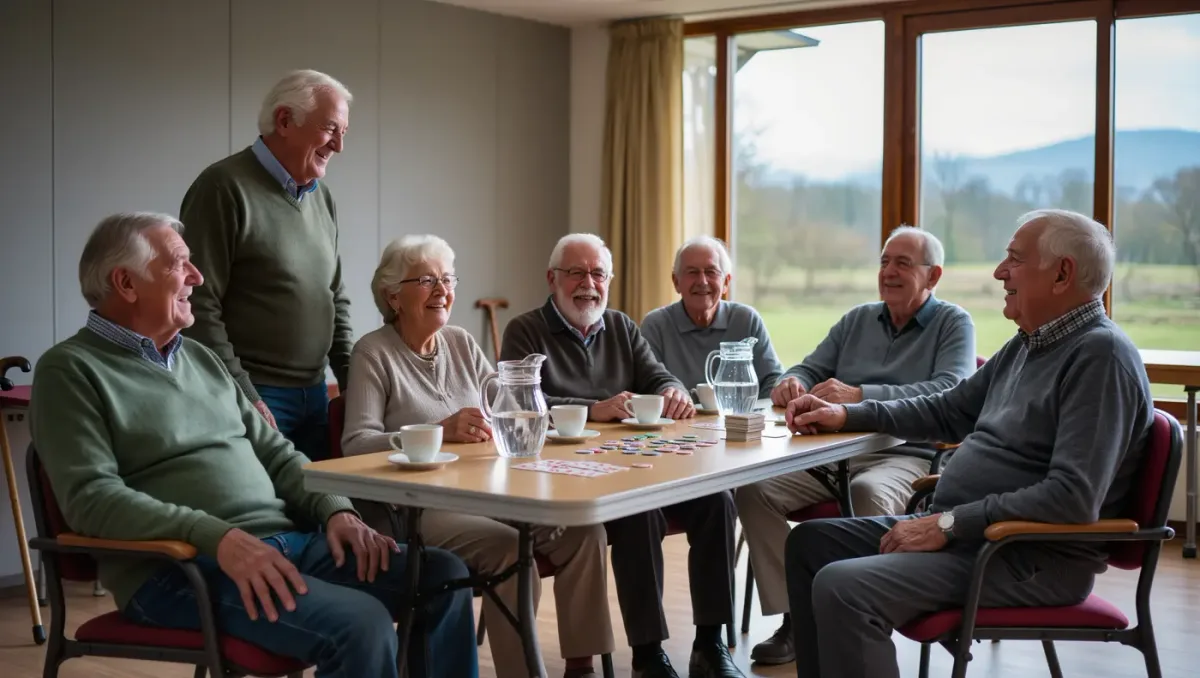
Every town in Rockland County runs some version of the same resource: a senior center where residents can eat a hot lunch, take a fitness class, play cards and ask a social worker about benefits. The specifics differ — Clarkstown's operation is not Ramapo's, and Haverstraw's is not Stony Point's — but the framework is countywide, and eligibility is simpler than most people assume. Here is how the system fits together.
Who runs senior services in Rockland?
Two layers work together. At the county level, the Rockland County Office for the Aging administers federal and state Older Americans Act funding, coordinates programs that cross town lines, and operates services such as home-delivered meals and information and assistance lines. At the local level, each town operates its own senior center or senior club program, and villages like Spring Valley and Haverstraw village host programming for their own residents as well.
The practical effect: your town center is the place for daily activities, and the county office is the place for benefits counseling, caregiver support and services if you cannot easily leave home. When in doubt, start with either one — both keep each other's numbers.
What happens at the centers?
Programming varies by town and season, but the core is consistent across Rockland:
- Hot lunch programs, often the congregate meals funded under the Older Americans Act, served on site on weekdays
- Fitness and wellness classes — chair exercise, yoga, tai chi, balance and strength work — scheduled through the week
- Games, clubs and social hours: cards, bingo, knitting, book groups and day trips
- Health screenings and educational talks from nurses, pharmacists and county agencies
- Benefits help, including one-on-one assistance with Medicare questions through state-sponsored counseling programs
Centers also function as referral offices. Staff see residents every week, which makes them the natural place where an isolated senior, or a family worried about one, first gets connected to county services.
Who is eligible?
Eligibility follows the federal Older Americans Act framework: services are generally aimed at residents aged 60 and older, and some are further targeted to those with the greatest social or economic need. Key points:
- There is no income test to walk into a town senior center or join most programs
- Some funded services, such as home-delivered meals, involve an assessment of need rather than a fixed income cutoff
- Town residency matters for town-run centers; most ask for proof of local residency, and some programs give preference or charge nonresidents differently
- Spouses and caregivers of eligible seniors may qualify for support services in their own right
Because towns set their own membership paperwork, call the center in your town before the first visit. Staff will tell you exactly what to bring.
Related stories: Rockland food pantries: how they run, who they serve, and where volunteers fit in · Stony Point Battlefield: a visitor's guide to the Revolutionary War site and its 1826 lighthouse.
How do the ride services work?
Transportation is where Rockland's system earns its budget. The county coordinates subsidized ride options for older adults and residents with disabilities, and town centers organize group transport to their own programs. The typical model:
- Request a ride in advance by phone, usually a day or more ahead
- Rides are prioritized for medical appointments, the senior center itself, shopping and essential errands
- Vehicles are lift-equipped, and drivers assist passengers to the door
- Donations are commonly requested in place of fixed fares for county-supported rides
Details — scheduling windows, service areas, donation amounts — vary by operator, so confirm the current arrangement with the Office for the Aging or your town center. For residents outside bus-friendly corridors in western Ramapo or along the river towns, these rides are often the difference between living independently and not.
What does it cost?
Less than most people expect. Center membership and daily activities are generally free or low-cost for town residents, with the Older Americans Act and town budgets absorbing most program costs. Congregate meals typically run on a suggested donation rather than a set price — a deliberate feature of the federal model, so that no one skips lunch over money. Trips and special events may carry real fees, since those are extras rather than core services. The consistent advice from center staff: ask about fees up front, and never assume a program is out of reach before checking whether a donation structure or waiver applies.
What about homebound seniors?
The centers are only the visible half. For residents who cannot get out, the county system provides home-delivered meals, friendly visiting and telephone reassurance programs, and case assistance through the Office for the Aging. Caregiver services — respite information, support groups, benefits advice for family members — round out the picture. These programs run on referrals and assessments, so the entry point is a phone call to the county office, not a visit to a center.
What about seniors under 60?
The age line causes confusion. Someone who retired at 62 is covered, but a 55-year-old caregiver or early retiree generally is not eligible for Older Americans Act services, and some town centers set their own membership age. The workaround is to be direct about the situation when calling: caregiver support programs, disability ride options and certain county services reach younger people through separate eligibility routes. Staff at either the center or the county office can route a call that lands in the wrong place, and routing calls is a routine part of their day.
How to get started
Pick up the phone. Call the senior center in your town — Clarkstown, Ramapo, Orangetown, Haverstraw or Stony Point — to ask about membership and the current activity calendar, or call the county Office for the Aging if the need involves benefits, caregiving or staying in the house. Both conversations are free, and neither requires a form to start. The most common mistake families make is waiting for a crisis; the centers exist precisely so the connection is already in place before one happens.