
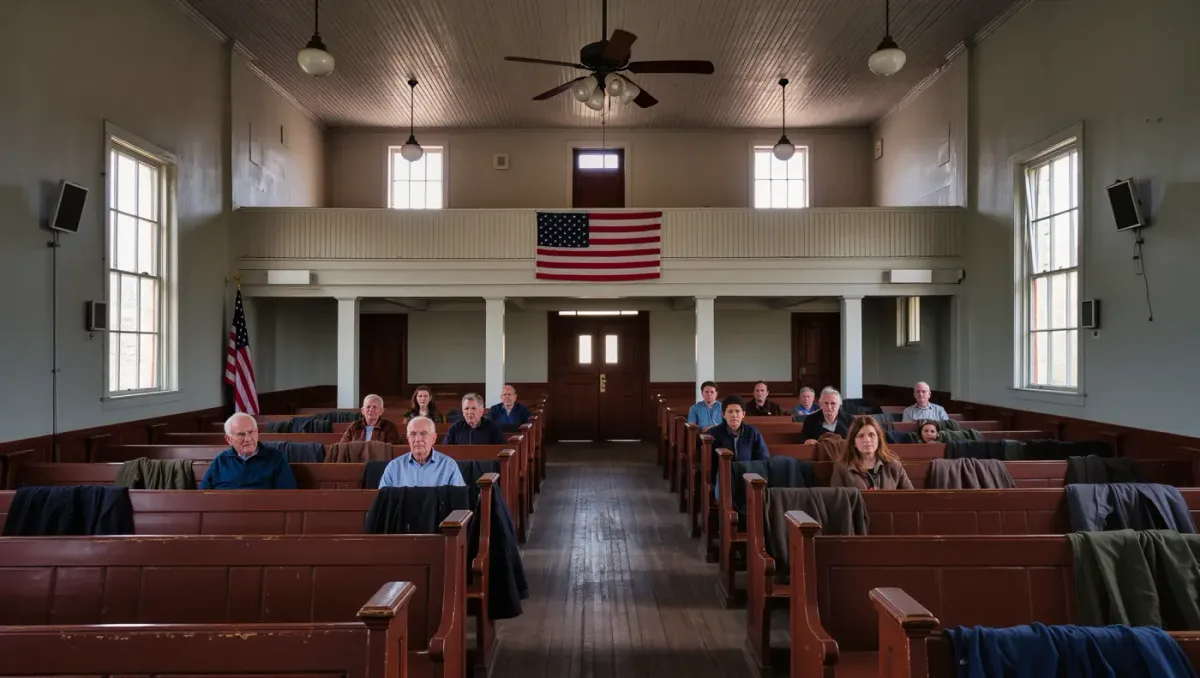
Town justice courts are where most Rockland residents actually meet the court system. If you fight a speeding ticket on the Palisades Interstate Parkway approach roads, sue a contractor over an unpaid invoice, or get summoned as a small landlord or tenant, the case starts in a town or village court — a part-time court, usually inside town hall, presided over by an elected justice who does not need to be a lawyer outside New York City.
Every Rockland town — Clarkstown, Ramapo, Orangetown, Haverstraw, and Stony Point — has its own justice court, and several villages run village courts alongside them. County Court, sitting in New City, is a different animal: full-time judges, felony cases, and appeals. Knowing which court has your problem is half the battle.
What town courts handle
The heaviest docket, by volume, is traffic. Town and village courts hear Vehicle and Traffic Law cases on town and county roads: speeding, running red lights, suspended licenses, DWI prosecutions, and parking matters. Given the commuter arteries that cross Rockland, traffic calendars can run long, and many courts set specific evening sessions for them.
Town courts also hear civil matters. Small claims in town court covers disputes up to $3,000, with simplified procedures meant for people without lawyers: you file in the town where the defendant lives or works, pay a modest fee, and argue your own case before the justice. Landlord-tenant proceedings — nonpayment and holdover evictions — also begin here, along with other small civil suits within the court's monetary limit.
On the criminal side, town courts are trial courts for misdemeanors and violations, such as petty larceny, simple assault cases charged as misdemeanors, harassment, and DWI at the misdemeanor level. For felonies, the town court's role is early-stage only: arraignments, bail decisions, and preliminary hearings. If the case proceeds as a felony, it moves up to County Court.
How a case moves through a justice court
- An accusatory instrument is filed, or a ticket is issued, returnable to the town court on a specific date.
- For criminal matters, the justice arraigns the defendant, advises them of rights, and sets bail or release conditions where authorized.
- Traffic cases may be resolved by plea by mail, or contested at a trial before the justice, without a jury — justice courts conduct bench trials.
- Small claims follow a simplified calendar-night procedure, typically heard within a couple of months of filing, with the justice deciding on the spot or by mail.
- Misdemeanor cases proceed through motions and conferences to either a plea or a trial in the town court itself.
- Felonies are screened at the local level, then transferred to County Court if the evidence supports further prosecution.
Related stories: How a village budget gets made in Rockland: from the treasurer's draft to the board's final vote · Those extra lines on your Rockland tax bill: water, lighting, fire, and sewer districts explained.
How this differs from County Court
County Court is where felony cases live: indictments, grand juries, felony trials, and sentencing for county-level crimes. It also hears appeals from town and village court convictions and civil appeals within its jurisdiction. County Court judges in the Ninth Judicial District serve full time and must be lawyers; town justices serve part-time, are paid per session, and hold other day jobs.
The practical difference is scale and stakes. A town court can sentence up to the limits for misdemeanors — up to a year in jail for a class A misdemeanor — while anything beyond that belongs to County Court. A driver contesting a ticket in Ramapo or a tenant in Haverstraw will never set foot in New City; a defendant facing felony charges passes through the town court for arraignment and then moves up.
Family matters are the other boundary line: Family Court handles custody, support, and juvenile cases, and the local court's involvement there is limited to emergency arraignments for family offenses under specific procedures.
One more distinction worth knowing: because justice courts sit inside town halls rather than courthouses, they follow the same security and scheduling rhythms as the municipal building around them. Sessions start when the justice takes the bench, calendars are posted at the door, and closures due to snow or town holidays follow town hall announcements rather than courthouse ones.
Who the justices are
Town justices are elected every four years within their towns and must live in the town they serve. Outside New York City, they are not required to hold a law degree, though many do, and non-lawyer justices must complete training through the state Office of Court Administration. Village justices follow the same model within their villages.
Court clerks handle most of what residents need day to day: fine payments, small claim filings, schedule questions, and record requests. Calling the court before traveling is wise; calendars move, and many Rockland courts hold evening sessions whose dates vary month to month.
Practical notes before you go
For traffic tickets, the back of the ticket explains your options: plead guilty by mail and pay, or plead not guilty and request a supporting deposition and a court date. For small claims, bring your evidence in physical form — contracts, texts, receipts — and arrive before the calendar call, since small claims night starts with the justice explaining the procedure to everyone at once.
Court records are public with narrow exceptions, and most town courts can provide a certificate of disposition for a case on request for a small fee. If you cannot make a scheduled date, notify the clerk in advance; failing to appear on a traffic matter can lead to a suspension of your license.
For the bulk of everyday legal friction — a ticket, a deposit dispute, an eviction filing — the town justice court is the front door of the justice system in Rockland, and it is closer, faster, and less formal than most people expect.