
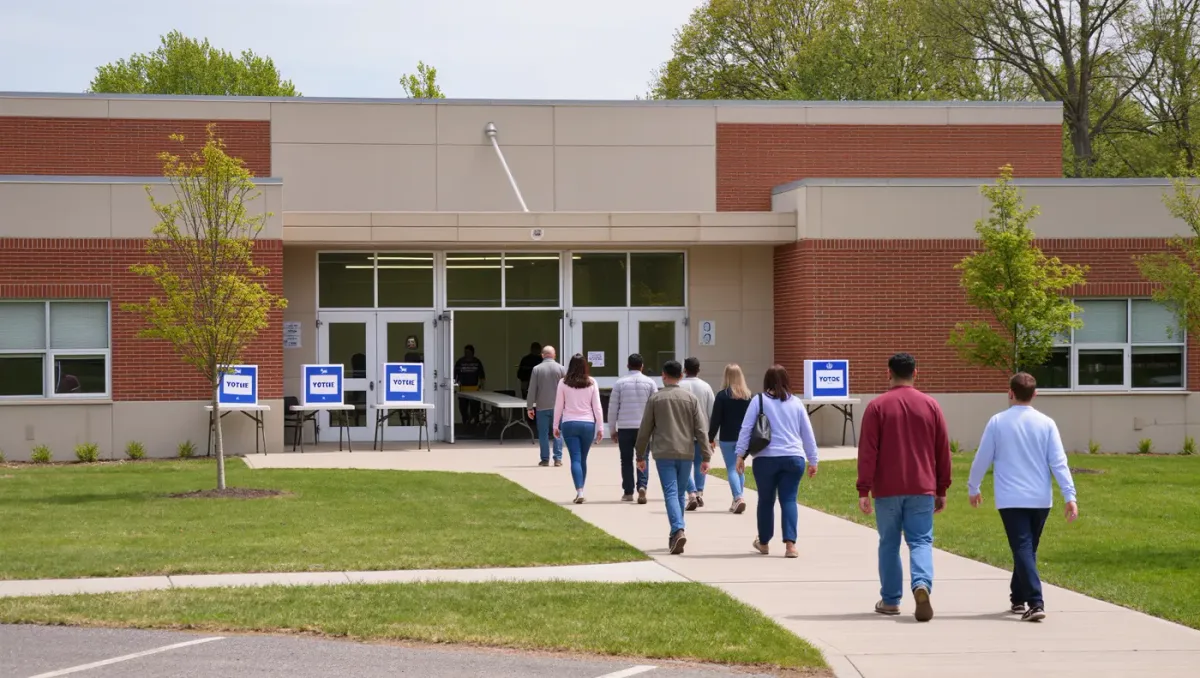
ROCKLAND COUNTY — Rockland County voters approved every school budget on the May 19 ballot, per a countywide roundup published by Rockland Times on May 21. Clarkstown Central School District led with 2,908 yes votes to 953 no — a 75.32 percent margin — for a $271,507,575 budget carrying a 2.31 percent tax levy increase.
North Rockland Central School District's $322,471,272 budget passed with roughly 76 percent of the vote, per the same roundup, with a 0.66 percent tax levy increase. Districts including Suffern also saw their plans approved, completing a clean sweep across the county. Rockland's smaller districts posted solid margins too; voters in the Rockland Central School District area, just over the Sullivan County line in the River Reporter's coverage area, approved a nearly $34 million budget 431 to 310.
What does this mean for residents? Because every budget passed on the first try, no district heads to a revote in June — the contingency budget conversation that follows a failed school budget never started this year. Homeowners will see the approved levy increases on their fall school tax bills: modest in North Rockland at 0.66 percent, more noticeable in districts that leaned closer to their caps.
Related stories: New City: Rockland County Legislature adopted a $913.8 million 2026 budget with no tax increase · Haverstraw-Ossining ferry brings back weekend runs May 23 through October.
Turnout and margins matter beyond the dollar figures. A 75 percent yes vote in Clarkstown signals broad comfort with the district's direction, and school board races on the same ballot decide who sits at the table when next year's numbers come due. The districts publish certified results on their own sites — Clarkstown posts its annual budget materials through the district website.
For context, New York school budgets need a simple majority to pass, and a district whose budget fails twice must adopt a contingency plan with a flat or lower tax levy. That is why the third Tuesday in May functions as the most direct tax vote Rockland residents get all year: the school levy is the single largest line on most property bills, bigger than the county, town, and village shares combined. With all budgets approved, districts can now finalize staffing contracts, program schedules, and bus routes for the school year that starts in September.