
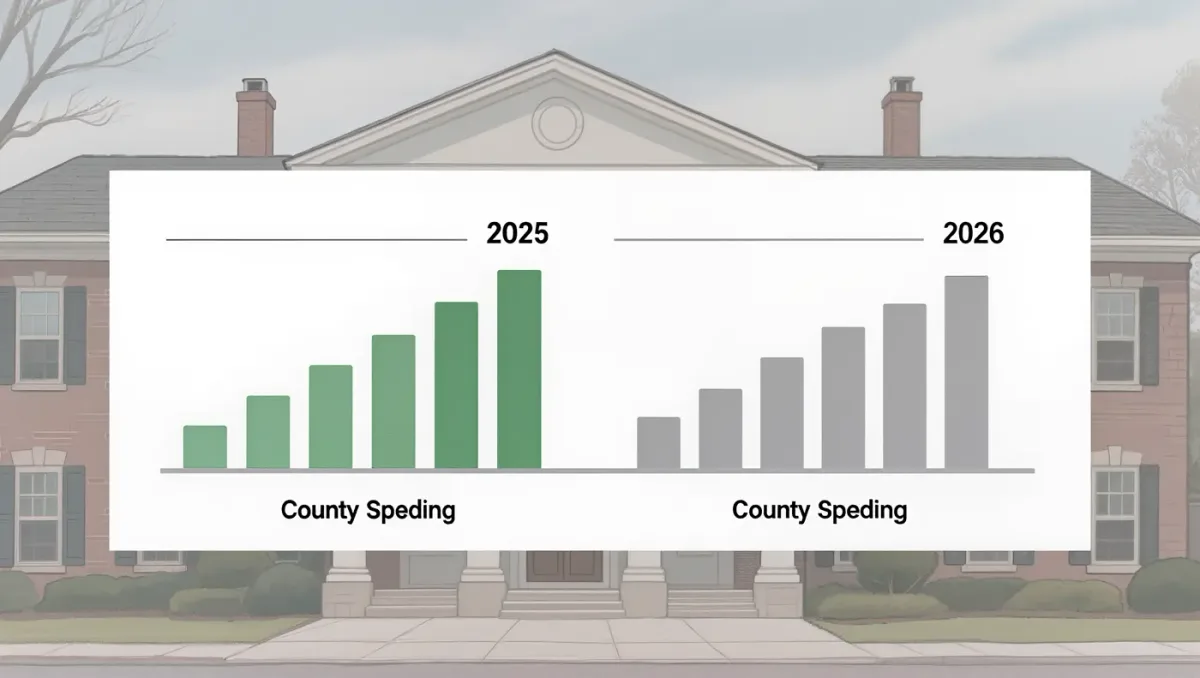
NEW CITY — The Rockland County Legislature adopted a $913.8 million county budget for 2026 in a bipartisan vote, holding county property taxes flat while expanding several services, per the Legislature's own announcement. The spending plan came in $37.3 million above the 2025 budget, a 4.26 percent increase.
The process started in October, when County Executive Ed Day proposed the $913.8 million plan at a presentation at the Robert Yeager Health Complex. The proposal promised zero tax increases, and the final version the Legislature adopted kept taxes level even as it slightly amended the proposal to expand key services, per the Legislature.
What does this mean for residents? For most Rockland homeowners, the county share of the property bill stays the same in 2026 — though school, town, village, and special district levies are set separately and can still move. The budget also determines staffing and funding for county services residents use directly, from the Health Department to the Sheriff's Office to road maintenance.
Budget-watchers in the county got a long runway this year. The Legislature's Budget & Finance Committee worked through department-by-department review sessions at 11 New Hempstead Road in New City before the full body voted. That committee structure continues through 2026, with sessions scheduled in June and August.
Related stories: Rockland County: every school budget passed on the May 19 vote, led by Clarkstown's 75 percent yes · Pomona: Rockland Green's 2026 hazardous waste drop-offs run weekdays and select weekends, free for residents.
For context, Rockland's roughly $914 million county budget covers everything from the county roads the highway crew plows to public health clinics and the county clerk's office. The 4.26 percent spending increase reflects rising costs for mandated services like Medicaid contributions and jail operations — line items counties across New York have struggled to hold down. Holding the tax levy flat while absorbing that growth means the county leaned on reserves, sales tax revenue, and other non-property income to close the gap.
Residents who want to see where the money goes can review the adopted budget through the county's website, and committee agendas and minutes are posted for each Budget & Finance session. Anyone with questions about a specific line item can contact their district legislator — the Legislature's page lists all 17 members by district.